Featured

12 posts

Chunmun & Udaan : Efforts to Connect Children with Printed Material in Bihar Government Schools

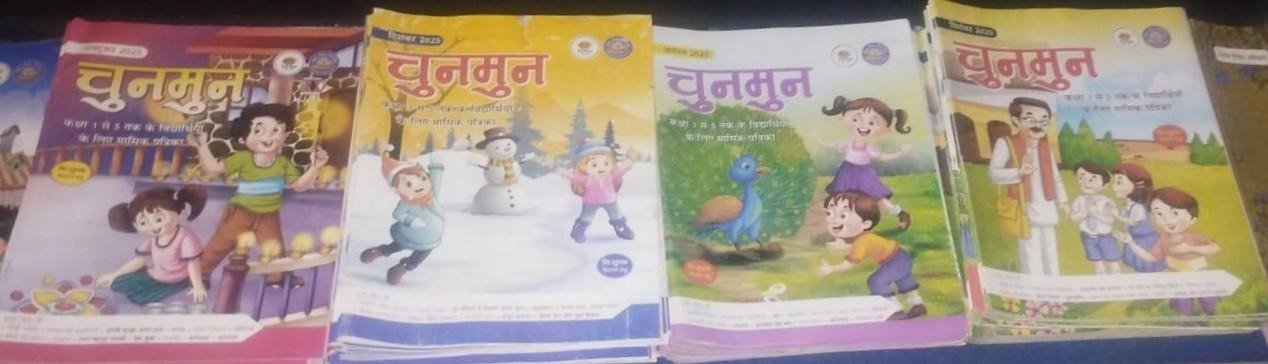
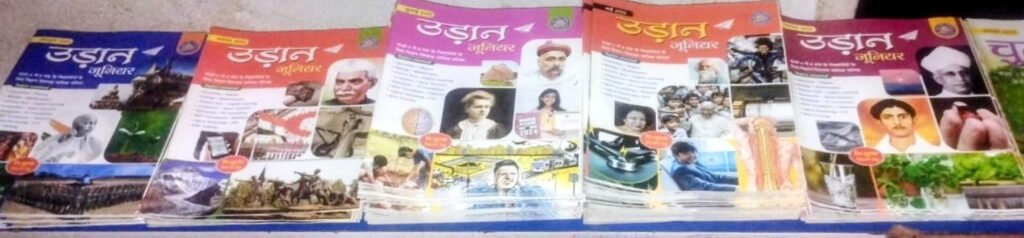
Two monthly magazines, Chunmun and Udaan, are now being published by the Bihar Education Project Council (BEPC) under the Department of Education, Government of Bihar. These magazines are being distributed to government schools across Bihar, including several schools in Darbhanga, where our team works.

Chunmun Magazine

The Chunmun magazine is designed primarily for children in grades 1 to 5. It features a collection of engaging, child-friendly stories and poems paired with colourful illustrations. Beyond just reading material, the magazine incorporates games, activities, moral lessons, and creative content tailored to keep children in this age group independently engaged.
Udaan Magazine

The Udaan Junior magazine is aimed at students in grades 6 to 8. It features more advanced, science-oriented content compared to Chunmun, including articles on science, mathematics, general knowledge, career guidance, inspirational stories, and creative writing.
Objectives

The primary objective of these two magazines is to instill reading habits in children, foster imagination, introduce ethical values, raise environmental awareness, and promote creative thinking. Ultimately, they aim to develop a child’s ability to think beyond textbook knowledge.

While prescribed textbooks feature interesting stories and scientific principles in simple language, students often feel pressured to focus solely on exam scores when engaging with textbooks. This drive for high marks can lead to rote learning, where the joy of reading is lost. Furthermore, when teachers evaluate students primarily on grades, it reinforces memorisation over genuine understanding.
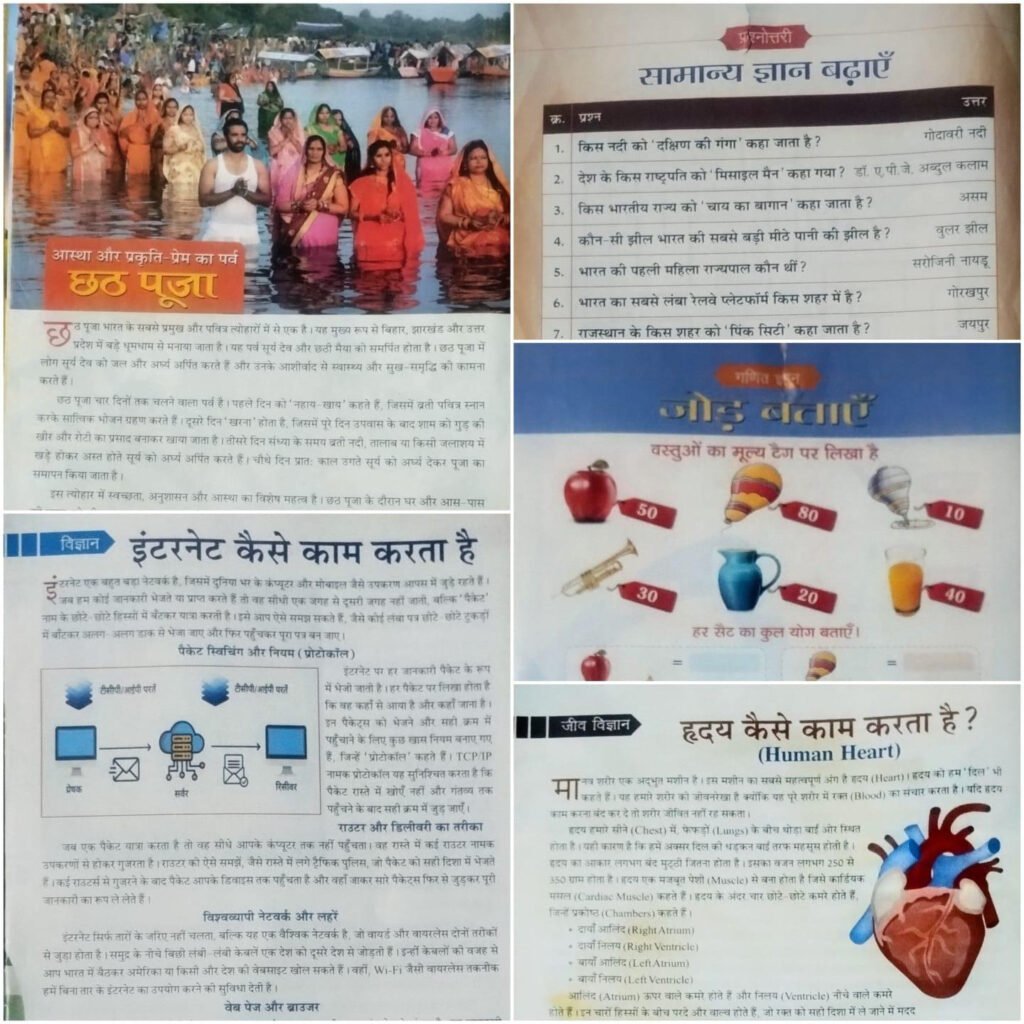
In this context, magazines like Chunmun and Udaan Junior inspire children to read using engaging content and attractive presentations. Today, mobile phones and digital devices are central to children’s lives, but they can hinder development by reducing attention spans, delaying language and cognitive growth, and causing social or emotional challenges. Chunmun and Udaan Junior offer an alternative that helps children overcome digital dependency while developing essential creative and social skills.

The impact of these magazines is even greater in rural areas, where access to quality books is often very limited. Under these circumstances, freely distributed materials become vital for the development of rural students.

Challenges / Shortcomings:

  • Irregular Distribution: Currently, the delivery of these magazines is quite irregular, which limits their classroom usefulness.
  • Limited Quantity: Schools seem to be receiving sets of only 12 copies of Chunmun and 15 copies of Udaan Junior, which restricts individual student access.
  • Content Expansion: There is further scope to enrich the magazines by incorporating local folk tales and creative submissions written by the students themselves.

These magazines represent a positive and practical initiative by the BEPC. By fostering creativity, the project supports the holistic development of children—a key goal of the National Education Policy (NEP) 2020. The initiative serves as a critical bridge to connect students with printed materials in a digital age, helping to mitigate the developmental risks associated with excessive screen time.

By providing engaging stories and practical scientific content, the magazines encourage children to look beyond rote learning and find a genuine joy in reading. Furthermore, efforts to integrate Maithili language development and strengthen school assemblies through these interactive materials highlight the project’s potential to enhance local cultural engagement and academic planning.
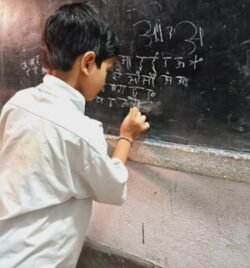
Is the Devanagari Script in Danger?

Among humanity’s greatest discoveries, language and writing stand out as particularly significant. Scripts serve as the primary medium through which we express language, share thoughts, and record experiences in written form.

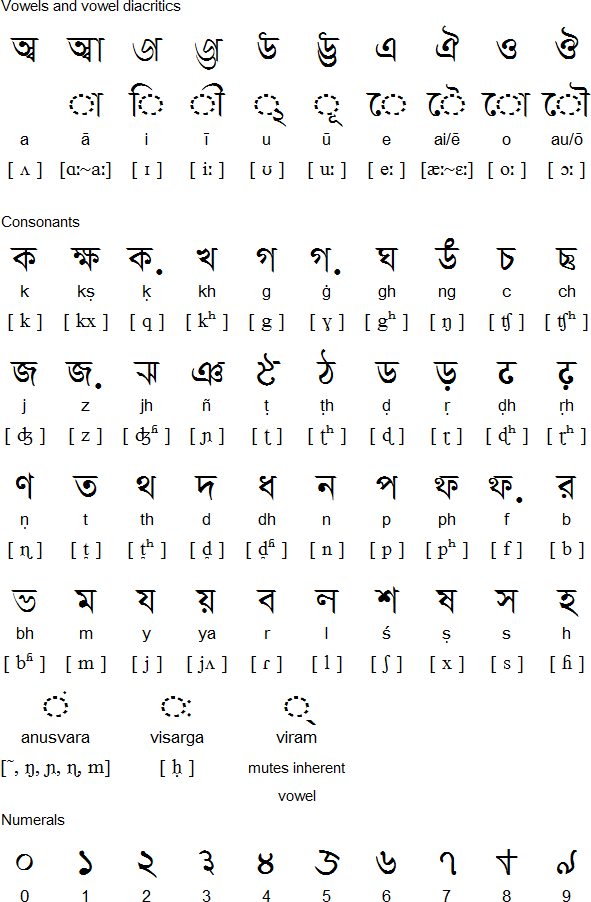
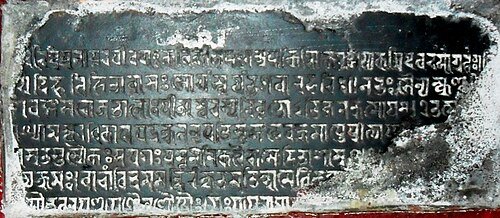
Since the invention of writing, countless scripts have emerged and faded from use. Some scripts have been completely lost to history as a result of gradual decline over time. For example, Maithili—a language spoken in parts of Bihar, Jharkhand, and Nepal—was traditionally written in two scripts: Kaithi and Mithilakshar (also known as Tirhuta). However, use of these scripts has diminished considerably, despite some promising technology-driven efforts to revive and teach them online to Maithili speakers.

Recently, our team undertook a survey on Hindi literacy skills in government schools in Darbhanga, Bihar. This study, conducted with children in grades 1 to 3 and involving approximately 400 participants, utilized the ASER assessment tool. Remarkably, only 40 percent of surveyed children could write their names.

Additional observations included:

  • Among the children who could write their names, nearly 70 percent were unable to do so in Devanagari script, even though Hindi is their spoken language. Some of these students could, however, easily write their names in the Roman script.
  • Only about 18 percent of children could write their names in both scripts, and even they appeared to prefer the Roman script.
  • Just 12 percent of the children expressed a preference for writing their names in Devanagari; the majority of these were students in class 3.

A key reason for this seems to be environmental influence. At this formative stage, children learn most naturally from their surroundings. Today, most children spend several hours daily on mobile devices, where they are constantly exposed to the Roman script from an early age. Thus, their brains develop a stronger familiarity with Roman letters, making them comparatively easier to learn than Devanagari. As a result, even fluent Hindi speakers are often more comfortable with the Roman script, leading to greater classroom difficulty in reading, comprehending textbooks, and expressing themselves in writing using Devanagari.

Addressing this trend requires small, consistent interventions, such as:

  • While completely restricting mobile use may be unrealistic (though advisable for young children for other reasons), children should have access to a variety of picture books, especially those in Devanagari script.
  • Schools should conduct regular read-aloud and storytelling sessions to stimulate curiosity and encourage Hindi reading habits.
  • Library activities, such as book talks and book treasure hunts, can play a supportive role.
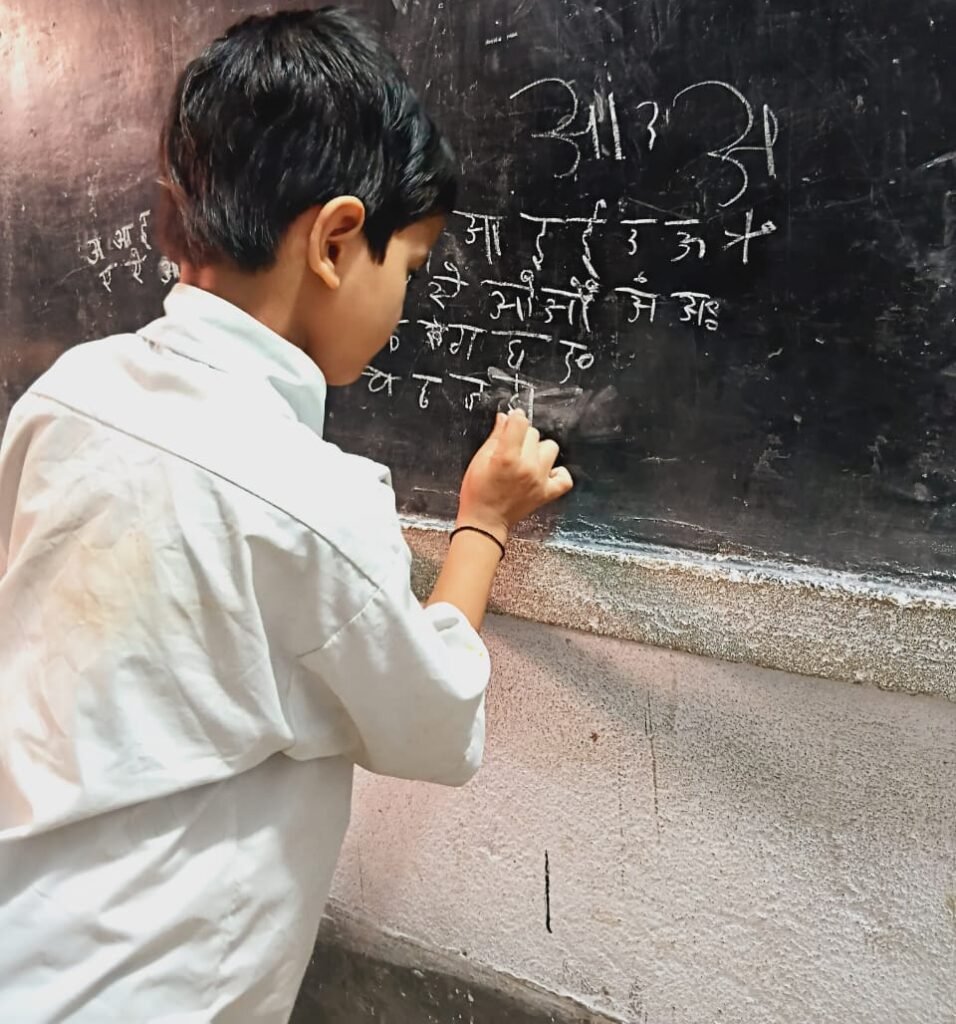
  • Young children can be engaged by tracing Devanagari letters with their fingers in sand or other tactile materials to reinforce script formation.
  • Creating letter cards for recognition and word-building games can further motivate students to learn and use Devanagari.

क्या देवनागरी लिपि संकट में है?

मानवता की महानतम खोजों में भाषा और लिपि विशेष रूप से महत्वपूर्ण हैं। लिपियाँ वह माध्यम हैं जिनके द्वारा हम भाषा को अभिव्यक्त करते हैं, अपने विचार साझा करते हैं और अपने अनुभवों को लिखित रूप में रिकॉर्ड करते हैं।

लेखन की खोज के बाद कई लिपियों का विकास हुआ और समय के साथ उनमें से कई फिर खत्म भी हो गईं। कुछ लिपियाँ पूरी तरह से इतिहास के गर्त में चली गईं। उदाहरण के लिए, मैथिली भाषा—जो बिहार, झारखंड और नेपाल के कुछ भागों में बोली जाती है—परंपरागत रूप से दो लिपियों में लिखी जाती थी: कैथी और मिथिलाक्षर (जिसे तिरहुता भी कहा जाता है)। हालांकि, इन लिपियों का उपयोग काफी कम हो गया है, बावजूद इसके कि मैथिली भाषियों में इन्हें ऑनलाइन सीखने और पुनर्जीवित करने के लिए तकनीक आधारित सकारात्मक प्रयास हो रहे हैं।

हाल ही में, हमारी टीम ने बिहार के दरभंगा जिले के सरकारी स्कूलों में हिंदी साक्षरता कौशल के संबंध में एक सर्वेक्षण किया। यह अध्ययन कक्षा 1 से 3 के बच्चों के साथ किया गया, जिसमें लगभग 400 बच्चे शामिल थे, और यह ASER मूल्यांकन उपकरण का उपयोग कर किया गया। आश्चर्यजनक रूप से, केवल 40 प्रतिशत बच्चों ने अपने नाम लिखना सीखा था।

कुछ अन्य महत्वपूर्ण अवलोकन इस प्रकार हैं:

  • जिन बच्चों को अपने नाम लिखना आता था, उनमें लगभग 70 प्रतिशत बच्चे देवनागरी लिपि में अपने नाम लिखने में असमर्थ थे, जबकि उनकी मातृभाषा हिंदी थी। हालांकि, इनमें से कुछ बच्चे रोमन लिपि में आसानी से अपना नाम लिख सकते थे।
  • केवल लगभग 18 प्रतिशत बच्चे दोनों लिपियों में अपना नाम लिख सकते थे, परन्तु इनमें से अधिकतर का झुकाव रोमन लिपि की ओर था।
  • केवल 12 प्रतिशत बच्चों को जब अपने नाम देवनागरी लिपि में लिखने को कहा गया, तो उन्होंने इसकी प्राथमिकता दी; इनमें से अधिकांश कक्षा 3 के छात्र थे।

इसका मुख्य कारण पर्यावरणीय प्रभाव लगता है। इस प्रारंभिक अवस्था में बच्चे अपने आस-पास के वातावरण से सबसे स्वाभाविक रूप से सीखते हैं। आजकल, अधिकांश बच्चे प्रतिदिन कई घंटे मोबाइल उपकरणों पर बिताते हैं, जहाँ उन्हें शुरुआती उम्र से ही रोमन लिपि का संपर्क होता है। इसलिए, उनके मस्तिष्क में रोमन अक्षरों की छाप अधिक गहरी होती है, जिससे वे देवनागरी की तुलना में रोमन लिपि को आसानी से सीख पाते हैं। परिणामस्वरूप, सटीक हिंदी बोलने वाले भी अक्सर रोमन लिपि से अधिक सहज महसूस करते हैं, जिससे कक्षा में पढ़ाई, पाठ्यपुस्तकों को समझने और अपनी बात लिखित रूप में व्यक्त करने में देवनागरी के साथ कठिनाइयां उत्पन्न होती हैं।

इस प्रवृत्ति से निपटने के लिए निम्नलिखित छोटे, निरंतर प्रयास आवश्यक हैं:

  • मोबाइल फोन या अन्य इलेक्ट्रॉनिक उपकरणों का पूर्ण प्रतिबंध संभव नहीं (हालांकि छोटे बच्चों के लिए यह अन्य कई कारणों से अनुशंसित है), पर बच्चों को देवनागरी लिपि में चित्र पुस्तकें उपलब्ध कराना आवश्यक है।
  • स्कूलों में नियमित ‘रीड-एलाउड’ और कथाकथन सत्र आयोजित किए जाने चाहिए ताकि बच्चों की जिज्ञासा बढ़े और वे स्वयं हिंदी पढ़ने के लिए प्रोत्साहित हों।
  • पुस्तकालय में पुस्तक चर्चा और पुस्तक खोज जैसी गतिविधियाँ भी सहायक हो सकती हैं।
  • छोटे बच्चों को रेत या इसी तरह की सतहों पर अपनी उंगलियों से देवनागरी अक्षरों का निर्माण करवा कर लिपि सीखने में संलग्न किया जा सकता है।
  • अक्षर कार्ड बनाकर छात्रों को इन्हें पहचानने और विभिन्न अक्षरों को जोड़कर शब्द बनाने के लिए प्रेरित किया जा सकता है।